
If You Came Home From the Hospital Tomorrow, Who Would Take Care of You?
A Parkwest Financial Group | Houston Community Magazine Feature
Close your eyes for a moment and picture this: It's a Tuesday afternoon. The attending physician has signed your discharge papers. A nurse brings in the final instruction sheet — two pages of medication schedules, dietary restrictions, follow-up appointments, and activity limitations. She hands it to you with a smile, wishes you well, and closes the curtain behind her.
Then it hits you.
You're going home. Alone. Or maybe with a spouse who has their own health limitations. Or to a house that hasn't been thought about in terms of recovery. Who will pick up the prescriptions? Who will help you navigate the three steps up to your front door? Who will make sure you don't fall getting to the bathroom at 2 a.m.?
For millions of Americans over 55, this is not a hypothetical. It is Tuesday. And they are not ready.
The Numbers Don't Lie — And They Should Scare You Into Action
Let's start with the statistic that stops most people mid-sentence when they hear it for the first time. A study from the TIAA Institute confirmed what financial experts have long warned: 70% of Americans aged 65 and older will need some form of long-term care at some point in their retirement years. That's seven out of every ten people at the table. Seven out of every ten people in your Sunday morning congregation. Seven out of ten people at your next family reunion over 65.
And yet — here is where the disconnect becomes dangerous —fewer than half of people age 50 and older (43%) think it is likely they will need long-term care in the future, and 48% of older adults say they do not know how to plan for their long-term care needs. We are, as a generation, magnificently optimistic about the wrong thing.
The hospital doesn't care about your optimism. Neither does a staircase, a bathtub, or a prescription bottle with a childproof cap. And it certainly won't wait for you to figure out a plan after you get there. Nearly one in five patients discharged from a hospital experiences readmission within 30 days, often linked to inadequate post-hospital care. Think about what that means in practical terms. You leave the hospital, you go home without adequate support, and within a month — you're back. Sicker, more depleted, and this time the stakes are higher. A substantial majority — 83.7% — of post-acute care volume is attributable to patients aged 65 and older. A trifecta of forces — higher-acuity inpatients, an aging population, and rising utilization — is increasing pressure on post-acute care demand. The system is straining. Post-acute care is expected to grow by 31% to 704 million patient volumes over the next decade— and that growth is being driven by people just like you and me who are living longer and recovering from more complex conditions.
The First 30 Days: Where Everything Can Go Wrong
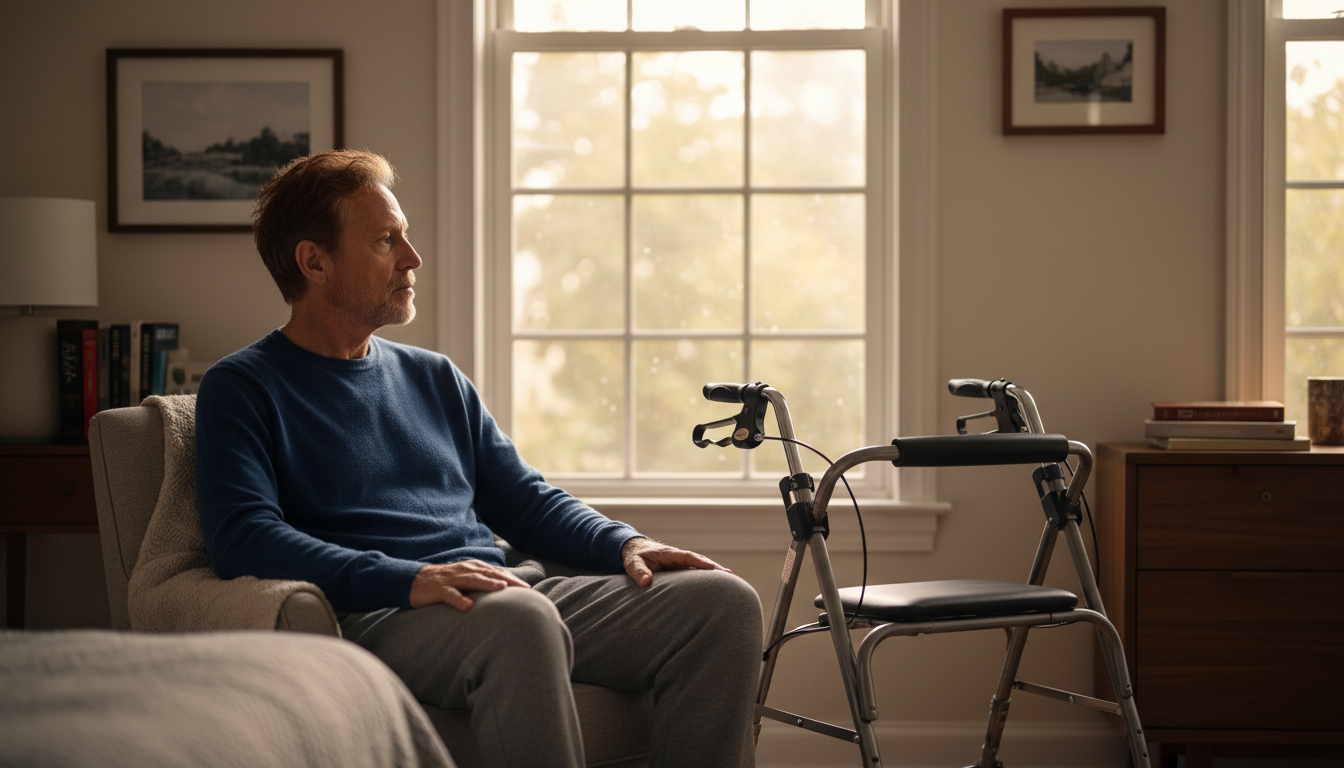
Hospital readmission is a significant and costly challenge, often stemming from inadequate transition planning and a lack of continuous support in the post-acute setting. For older adults, the vulnerability following discharge is compounded by factors like post-hospitalization syndrome and difficulties adhering to complex care regimens. Let's be specific about what "vulnerability following discharge" actually looks like in a real kitchen, on a real Tuesday:
You can't manage your medications - Not following medication regimens is one of the leading causes of rehospitalization. Twelve pills. Three different times of day. Some with food, some without. Some that interact with grapefruit. It sounds manageable until you're exhausted, mildly confused, and alone.
You can't safely move through your own home - Inadequate support with mobility, transfers, and light housekeeping minimizes the risk of falls, a leading cause of readmission for seniors. That coffee table you've walked past for fifteen years is now a potential ER visit.
You don't follow up with your doctor - One of the most critical tasks in any readmission prevention plan is ensuring the discharged patient follows up with their primary care doctor within 30 days of leaving the hospital. This alone makes a significant difference in readmission rates.
You underestimate what you need - After leaving an inpatient care setting like a hospital, elderly patients often need to manage complex discharge planning, multiple prescriptions, special diets, and follow-up appointments. Without the right support, patients face higher odds of readmission within 30 days of discharge, especially if they are at high-risk due to additional health issues.
The Family Factor: Love Is Real, But It Is Not a Plan
Many of us operate under an invisible assumption: My family will take care of me. And many families do step up — beautifully, sacrificially, and at great personal cost. But let's look at that assumption clearly.
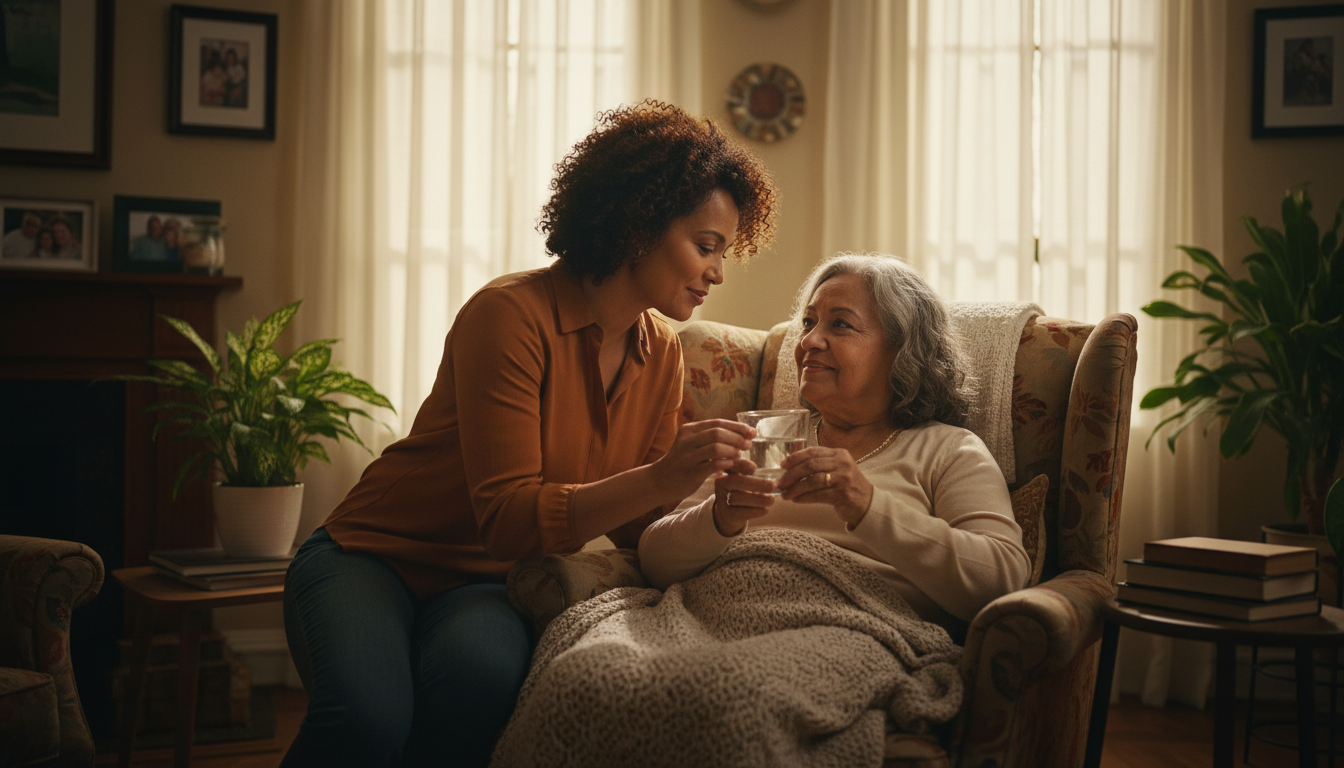
Home care can be cost prohibitive for many families, leading them to try to stand in the gap themselves. The problem is, they are often already overcommitted and untrained for the task. And then there are patients who do not have family nearby — or at all. They are largely left alone after discharge, putting them at greater risk of readmission.
Your adult children likely have jobs, children of their own, mortgages, and lives that don't pause easily. Your spouse, if you have one, may themselves be managing health challenges. And even when family members are present and willing, the clinical aspects of post-hospital recovery — wound care, medication management, physical therapy exercises, monitoring for infection — are not things love alone can adequately handle.
Studies consistently indicate that home care programs can significantly lower the rates of hospital readmissions among older adults. Research shows that elderly patients who receive structured home health services are less likely to be readmitted within 30 days of discharge. The operative word is structured. Good intentions are not structure. A written plan, professional oversight, and defined responsibilities — that is structure.
What Medicare Covers (And What It Doesn't)
This is the part that trips up nearly two-thirds of adults over 50 — and the misunderstanding could cost you everything.
62% of adults age 50 and older mistakenly think Medicare will pay for their care if they need to permanently move into a nursing home. This statistic, from the University of Michigan's National Poll on Healthy Aging, is perhaps the most financially dangerous misconception in American retirement planning today.
Here is what Medicare's Part A does cover: hospital stays and some limited care in a skilled nursing facility under certain circumstances — typically following a qualifying hospital stay of at least three days, for a limited period, and only for skilled care like physical therapy or wound care.
Here is what Medicare does not cover: long-term custodial care in a nursing home. It does not cover ongoing home aide services. It does not cover assisted living. It does not cover someone coming to your home to help you bathe, dress, prepare meals, or manage daily activities once your condition is considered stable.
Medicaid does cover more long-term care services — but only for those who meet income and asset eligibility requirements. This means you may need to spend down a significant portion of your savings before Medicaid steps in to help.
The gap between what people believe they have covered and what they actually have covered is where financial devastation quietly lives.
The Planning Gap: Why Most People Are Behind
The data on preparation is uncomfortable but necessary reading. Few older adults have taken key steps to prepare for long-term care needs, including designating a durable power of attorney for medical care (27%) and identifying people in their lives who could serve as caregivers (24%).Even though federal estimates suggest 70% of people over the age of 65 will need long-term care before they die, only 3% to 4% of Americans age 50 and older are paying for long-term care policies. Most people aren't even talking about long-term care at all. More than half (57%) haven't discussed their long-term care needs and preferences with their family or friends. Why? Because it's uncomfortable. Because it feels like admitting vulnerability. Because 45% of people 50 and older say their need for long-term care seems too far off to make plans for. We are a culture that plans weddings eighteen months in advance and retirements decades ahead — but systematically avoids planning for the most statistically likely health event of our senior years.
There is also a financial reality at play. At least six in ten adults ages 50 and older say they feel "mostly" or "somewhat anxious" about affording the cost of a nursing home or assisted living facility (66%) or paid nurses or aides to help with everyday activities (62%) if they need them. Anxiety without action is just suffering in advance. Action — even imperfect, early action — is the antidote.
What a Real Post-Hospital Plan Looks Like
Good preparation doesn't require perfection — it requires intentionality. Here is what a thoughtful post-hospital care plan addresses:
1. A Named Caregiver (Human and Backup)
Identify at least one person — ideally two — who has agreed, in a real conversation, to serve as your primary point of contact in the event of a hospitalization. This is not implied by relationship. This is a direct, scheduled conversation where responsibilities are discussed and confirmed.
2. Medical Power of Attorney
Only 27% of adults 50+ have designated a durable power of attorney for medical care. This legal document empowers someone you trust to make health decisions on your behalf if you cannot. Without it, the hospital will follow its own protocols, which may not reflect your wishes.
3. A Home Safety Assessment
Walk through your home with recovery in mind. Are there grab bars in the bathroom? Is the pathway from bed to bathroom clear? Are medications organized? Is there a way to signal for help if you fall? These are not dramatic modifications — they are sensible ones.
4. A Medication Management System
A pill organizer is the $7 investment that prevents a $50,000 readmission. Know your medications, what they're for, when to take them, and what interactions to avoid. Have a family member or home health aide verify the system.
5. Professional Home Health Support
Consider a structured home health care plan — whether through a licensed agency or a care manager — that provides skilled nursing, medication management, physical therapy, and health monitoring. These are each critical components that support recovery at home. Home care for at least 30 days after discharge ensures a quick response to symptoms that might arise.
6. Follow-Up Appointment on the Calendar
Before you leave the hospital, have your follow-up appointment scheduled. Written on a piece of paper, entered in your phone, and confirmed with the person who is driving you there. Not "I'll call when I get home." Scheduled. Done.

The Insurance Conversation You've Been Putting Off
Long-term care insurance is not a comfortable topic at any dinner table. But neither is financial ruin.
Effective long-term care planning typically involves three complementary strategies: long-term care insurance, personal savings specifically designated for care costs, and family coordination about potential caregiving roles.
Long-term care insurance has real limitations — it is expensive, some insurers have raised premiums dramatically, and benefits only apply if you purchase a policy before developing health conditions that would disqualify you. The older you get, the harder it is to qualify. A 55-year-old in excellent health might pay $3,000 annually for a policy covering $300,000 in lifetime benefits, while a 65-year-old with high blood pressure might be declined outright.
The window to make informed choices is open right now — and it does not stay open indefinitely.
Alternative and complementary strategies include designated savings in Health Savings Accounts (HSAs), hybrid life insurance products with long-term care riders, and clearly documented family coordination plans.
The conversation to have is not "Do I need this?" The statistic already answered that. Seven out of ten people reaching 65 will need some form of long-term care. The conversation is: "What is my plan for when I do?"
The Bottom Line
Nobody plans to end up discharged from a hospital alone, confused, and underprepared. It just happens — to people who thought they had more time, to people who assumed their family would figure it out, to people who thought Medicare had them covered.
The most powerful thing you can do today is not dramatic. It is simply this: ask yourself the question that sits at the top of this article and don't stop asking it until you have an honest answer.
If you came home from the hospital tomorrow — who would take care of you?
If the answer is "I'm not sure," then today is the best possible day to start building a real plan. Talk to a financial advisor. Talk to an insurance professional. Talk to your family. Talk to your doctor. And most importantly — talk to yourself with the kind of honesty that actually changes things.
Your future self is counting on your present self to have this conversation.
Ready to explore your coverage options?
The team at Parkwest Financial Group specializes in life and health insurance solutions for individuals, families, and seniors navigating exactly these questions. Reach us at (832) 561-7741 or [email protected]. Because the best time to plan was yesterday — and the second best time is right now.
