HFD Found at Fault in Both METRORail Collisions
Tracks of Trouble: TxDOT Rules Houston Fire Department at Fault in Both July METRORail Crashes
Two collisions. Two investigations. One damning conclusion.
The Texas Department of Transportation has formally determined that the Houston Fire Department is at fault in both METRORail train collisions that occurred during the month of July — a finding that raises urgent questions about emergency vehicle protocols, intersection safety, and the operational relationship between Houston's fire services and its light rail system.
The rulings have sent shockwaves through both the HFD and Houston's transit community, arriving at a moment when public confidence in city infrastructure is already under scrutiny.
What Happened
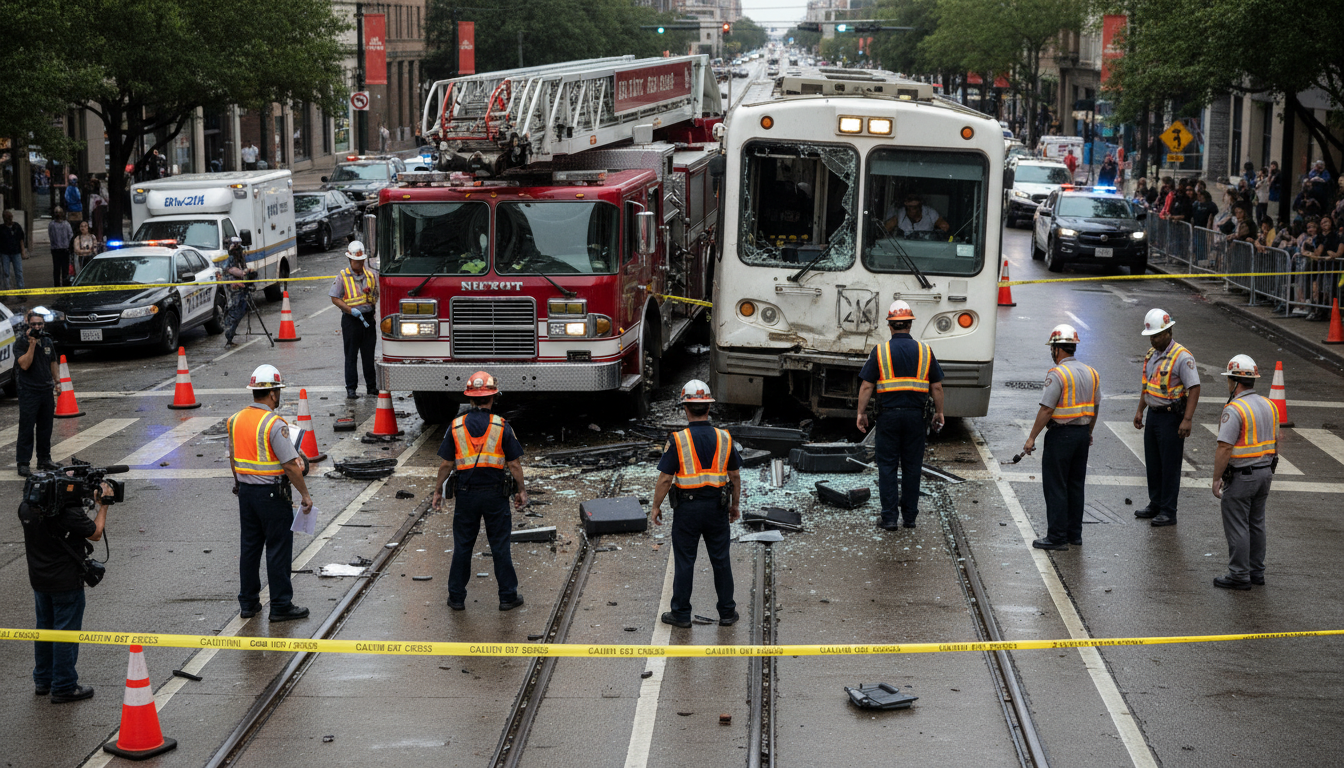
In two separate incidents during July 2026, HFD vehicles — responding to emergency calls — came into conflict with METRORail trains at intersections along the light rail corridor. The results of each collision caused service disruptions, property damage, and raised serious safety concerns for METRO passengers, HFD personnel, and the public.
Details of the exact intersections involved have not yet been fully released to the public as of press time, but TxDOT's conclusions regarding fault appear unambiguous: in both cases, the agency's findings point to Houston Fire Department vehicles as the party responsible for the collisions.
TxDOT's Ruling and Its Implications
The TxDOT determination carries significant weight. As the state's transportation authority, TxDOT's fault rulings in transit-related incidents inform everything from insurance liability to operational reviews and potential policy reforms.
For the HFD, the back-to-back rulings represent a serious reputational and operational challenge. The department — which runs more than 90 stations across one of the country's largest cities — prides itself on rapid response times. But speed, as these incidents demonstrate, must be paired with precision, especially in an urban environment where light rail routes and emergency corridors increasingly share the same pavement.
METRO's Perspective
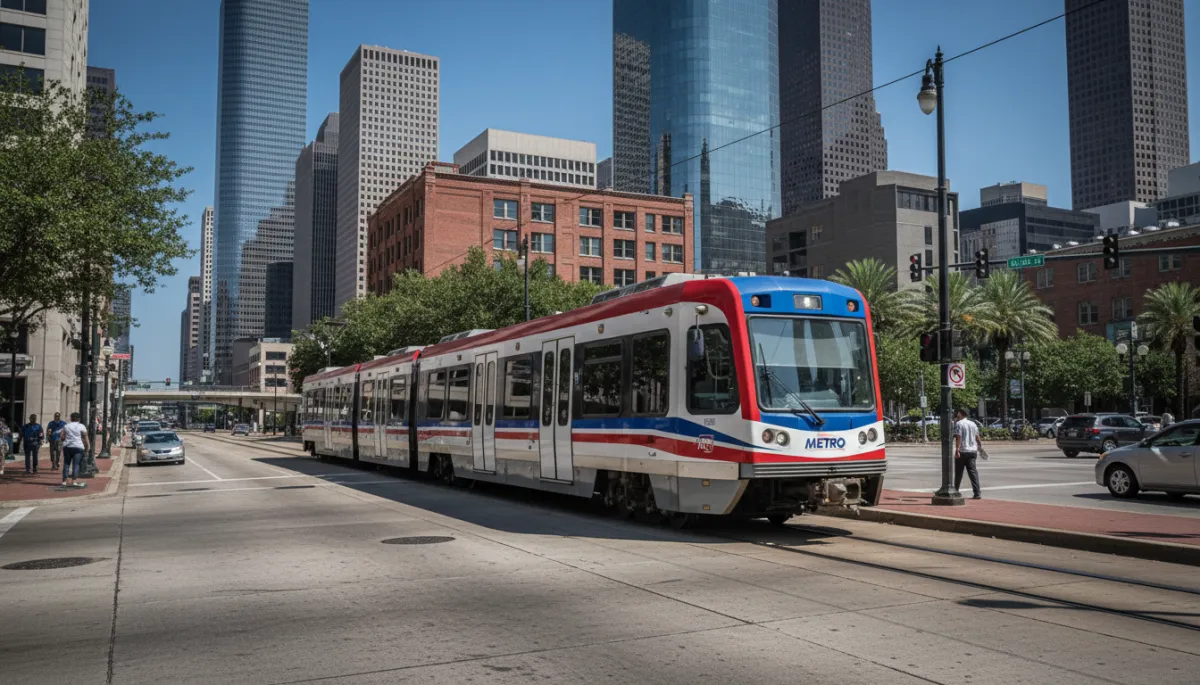
Houston's Metropolitan Transit Authority (METRO) has long flagged concerns about light rail intersections as among the most accident-prone segments of its network. The METRORail system, which serves tens of thousands of daily riders across three lines through some of the city's most densely traveled corridors, is particularly vulnerable to cross-traffic incidents at grade-level crossings.
METRO officials have historically called for improved signal coordination, better driver training protocols for emergency vehicles, and enhanced intersection markings at rail crossings. The July collisions — and TxDOT's subsequent rulings — are likely to reignite those conversations with fresh urgency.
What Comes Next
The HFD has not yet publicly responded in detail to TxDOT's findings, though departmental reviews of protocols are expected to follow. City officials and the Houston City Council are likely to weigh in as the story develops, and calls for an independent safety audit of HFD-METRO intersection protocols may grow louder in the coming weeks.
For everyday Houstonians who rely on METRORail to commute, run errands, or navigate a city that never seems to have enough parking, the incidents serve as a sobering reminder of how complex and interconnected urban transit systems can be — and how quickly a single moment at a crossing can ripple outward.
Houston's city leaders have a responsibility to ensure that its emergency services and public transit infrastructure are not working at cross-purposes — quite literally. The July collisions weren't just accidents. They were a warning.